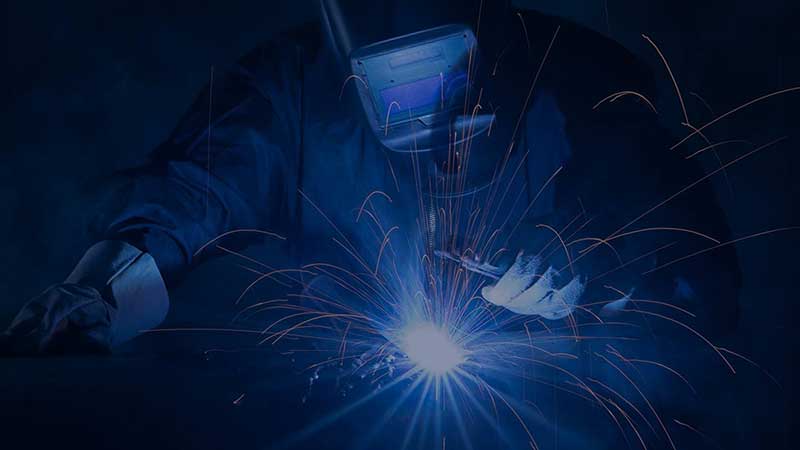
Welding Processes
Welding is a critical fabrication method used to permanently join metals by applying heat, pressure, or a combination of both. Different welding processes are designed to suit specific materials, thicknesses, environments, and performance requirements. From high-precision industrial applications to heavy structural fabrication, each welding method offers unique advantages in terms of strength, efficiency, and finish.
Below is an overview of the most commonly used welding processes, highlighting their key characteristics and typical applications. Whether you’re selecting the right method for a project or learning the fundamentals of welding technology, understanding these processes is essential to achieving safe, reliable, and high-quality results.
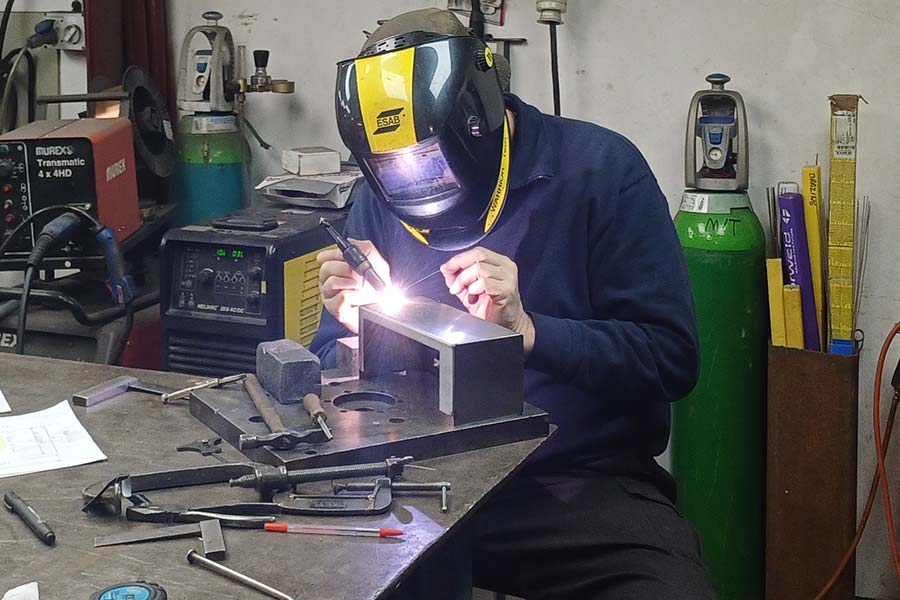
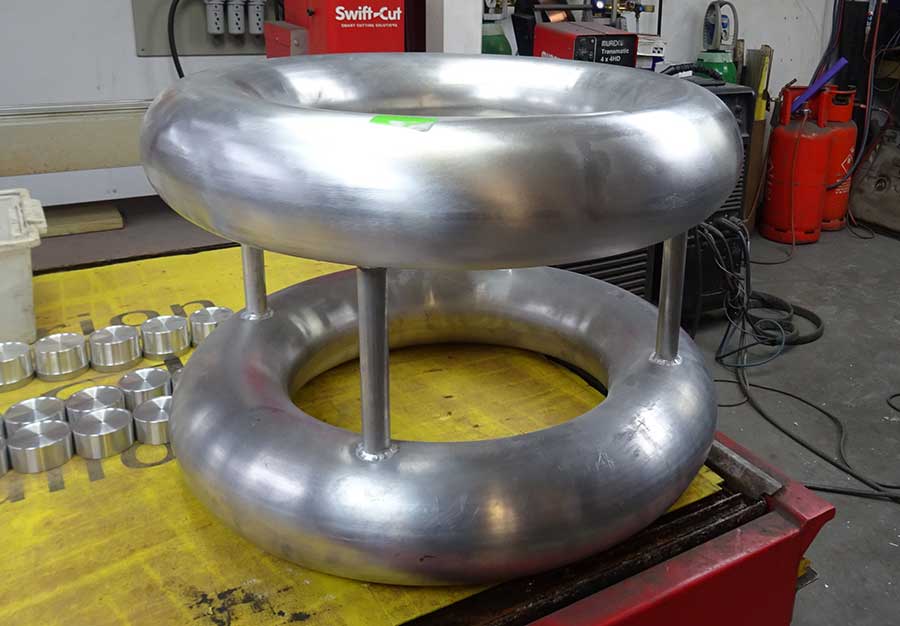
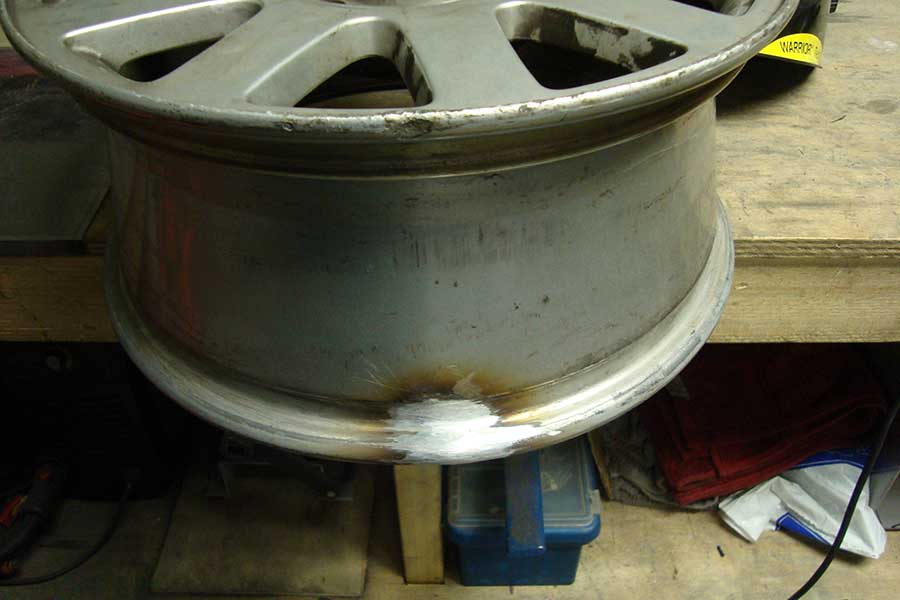
Aluminium TIG Welding
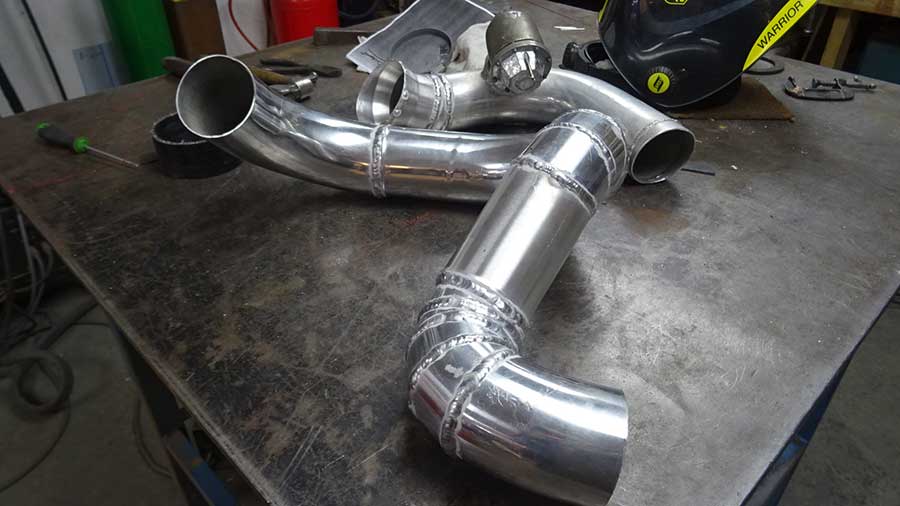
TIG welding is often described as the most precise and artistic form of welding. When working with aluminium, it requires a unique approach because the metal is sensitive to heat and naturally covered in a stubborn “skin” that must be managed to create a strong joint.
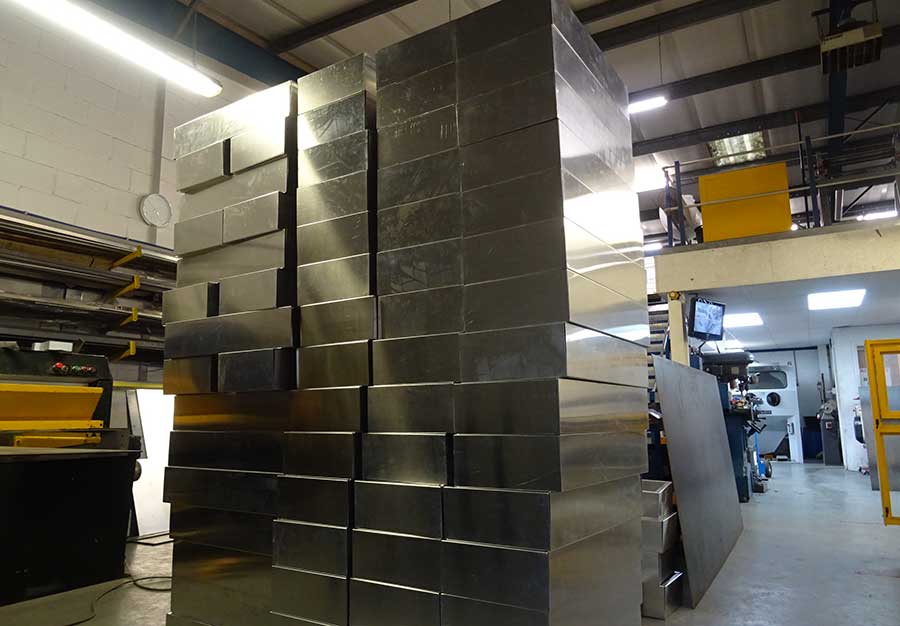
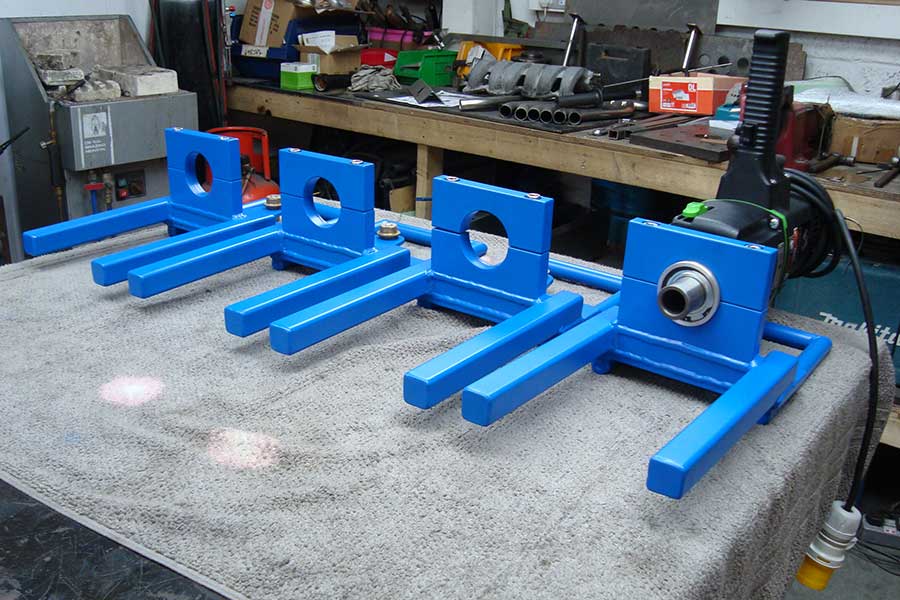
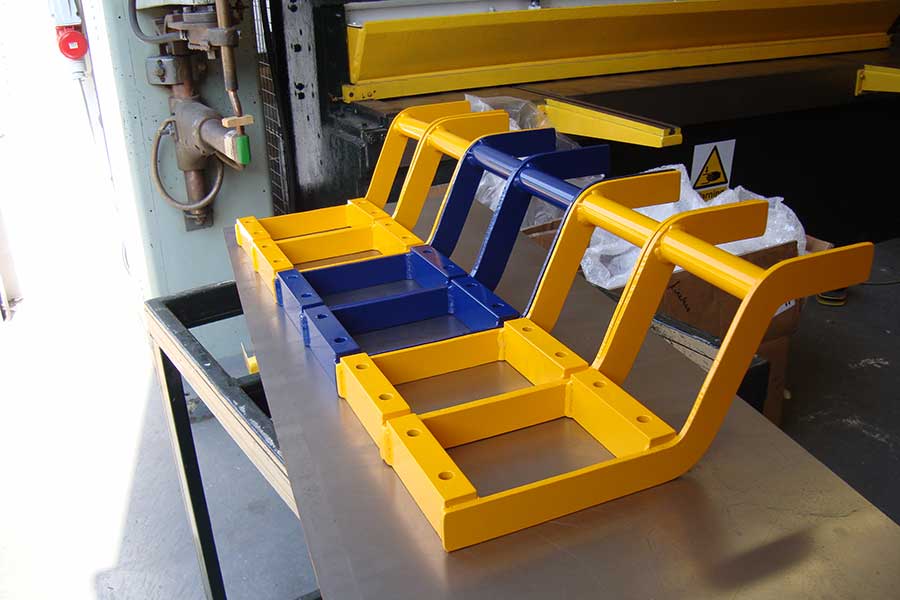
Mild Steel MIG Welding
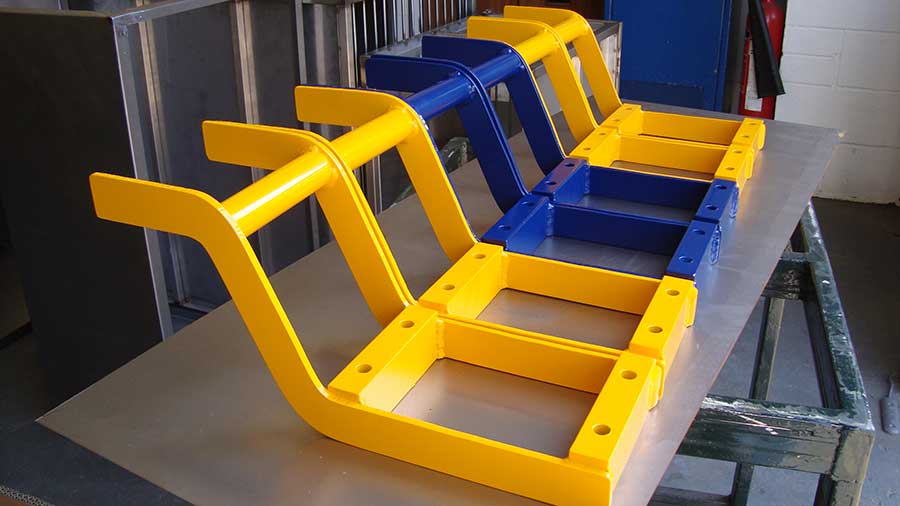
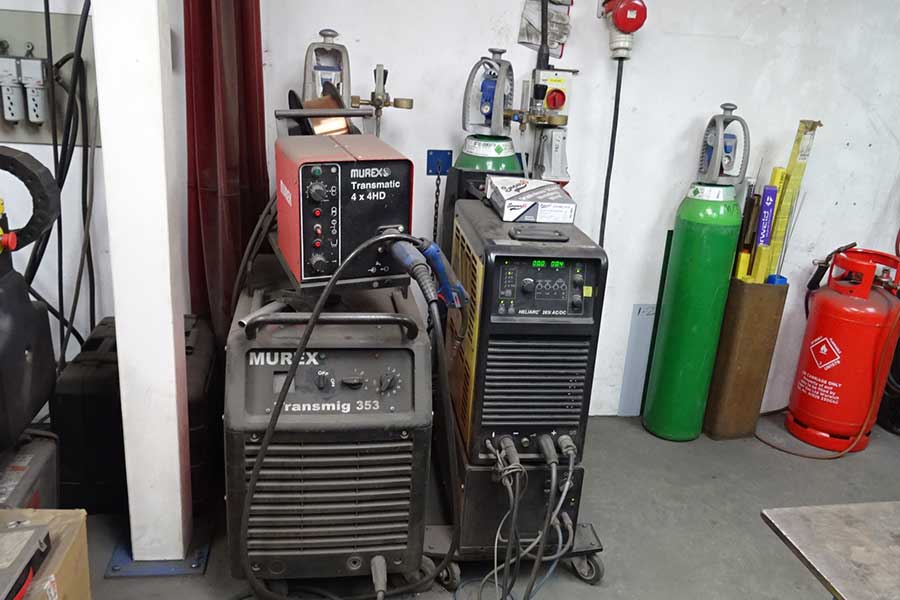
MIG welding (Metal Inert Gas) is the most common welding method because it is fast, versatile, and the easiest for beginners to learn. Unlike TIG welding, which requires two hands and a foot pedal, MIG welding is a one-handed process that works like a “high-powered hot glue gun” for metal.
Silver Soldering
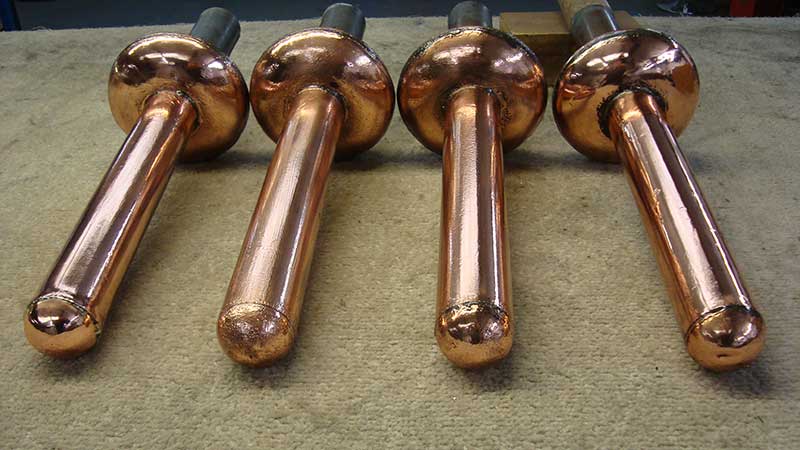
Silver soldering, often called hard soldering or silver brazing, is a high-temperature process used to create incredibly strong, permanent bonds between metals. Unlike the “soft” soldering used in electronics, silver soldering uses a filler metal containing a significant percentage of silver, allowing it to join demanding materials like copper, brass, steel, and even stainless steel.
Here is how the process works:
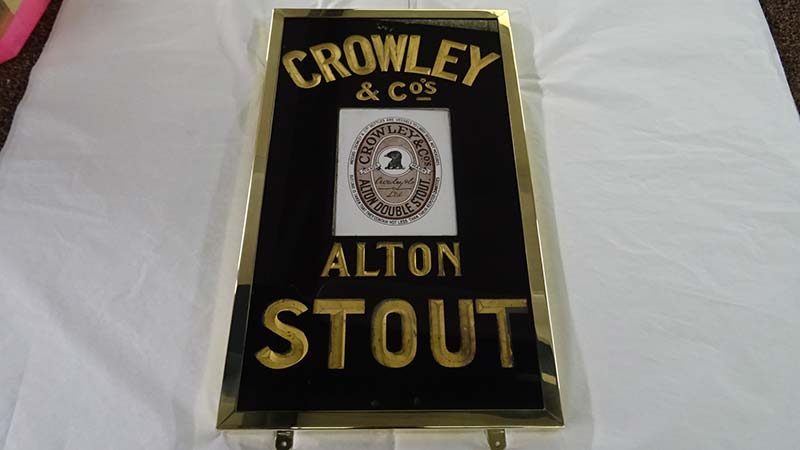
Soft Soldering
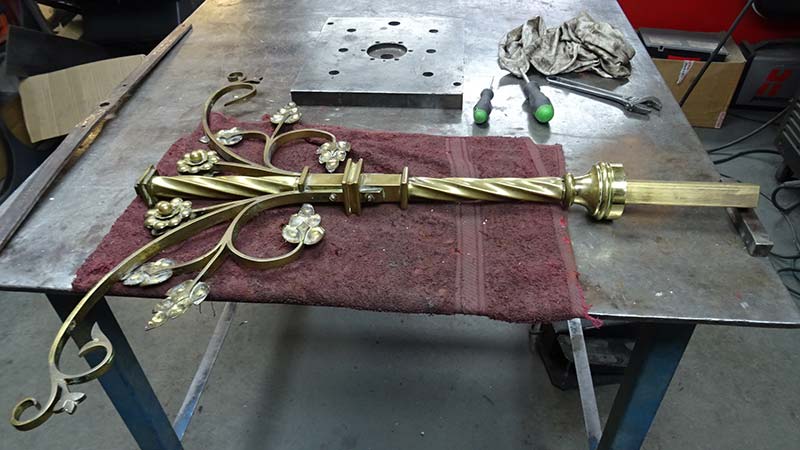
Soft soldering is the most common method for joining small metal components, primarily used in electronics, jewellery repair, and copper plumbing. It is defined by its low melting point—typically below 400°C—which allows you to create a secure electrical or mechanical bond without melting or warping the base metals.
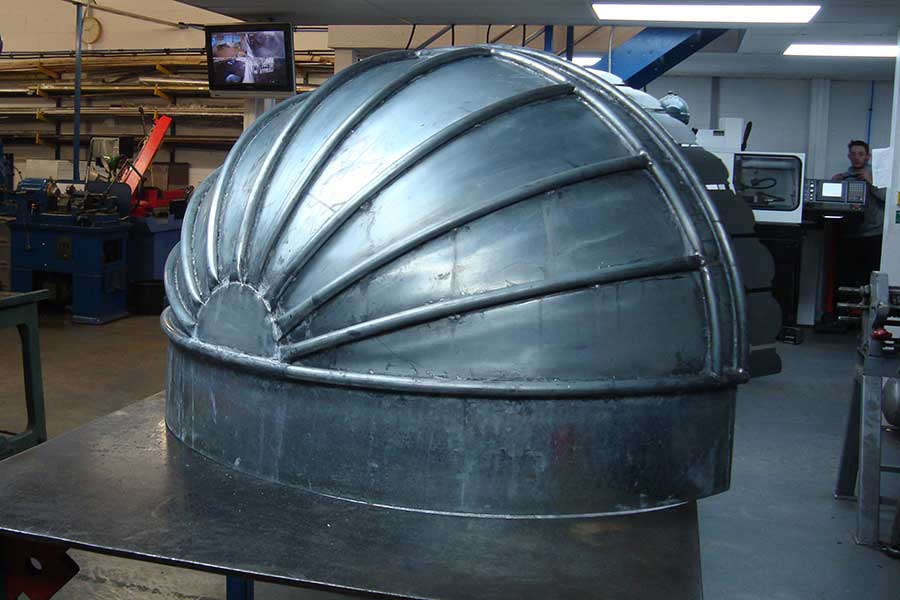
Victorian Window Canopy
View Project >
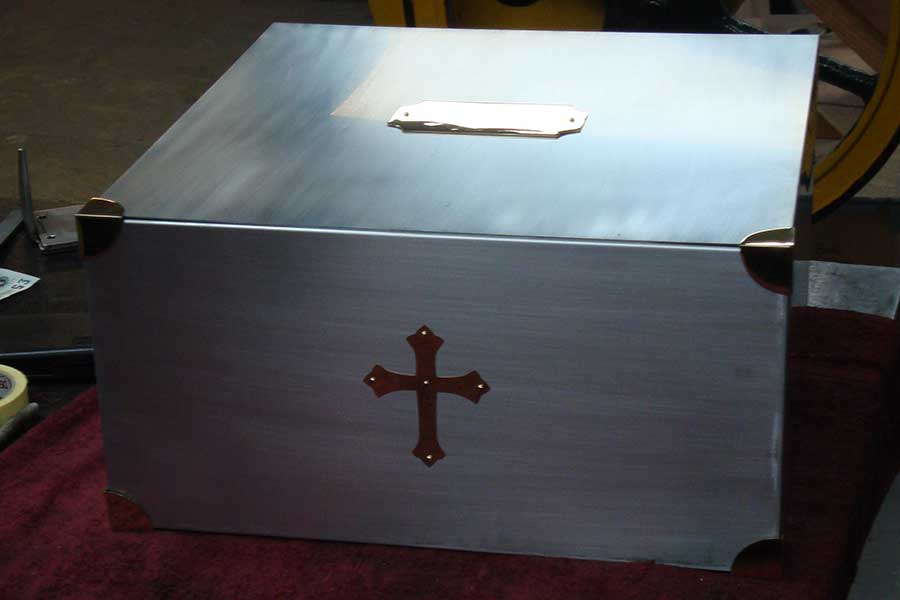
Zinc Time Capsule
View Project >
Spot Welding
Spot welding (or Resistance Spot Welding) is a highly efficient process used primarily to join thin metal sheets together. It is the backbone of the automotive industry, used to assemble car bodies quickly and reliably. Unlike other methods, it uses no filler rods, no gas, and no flames.
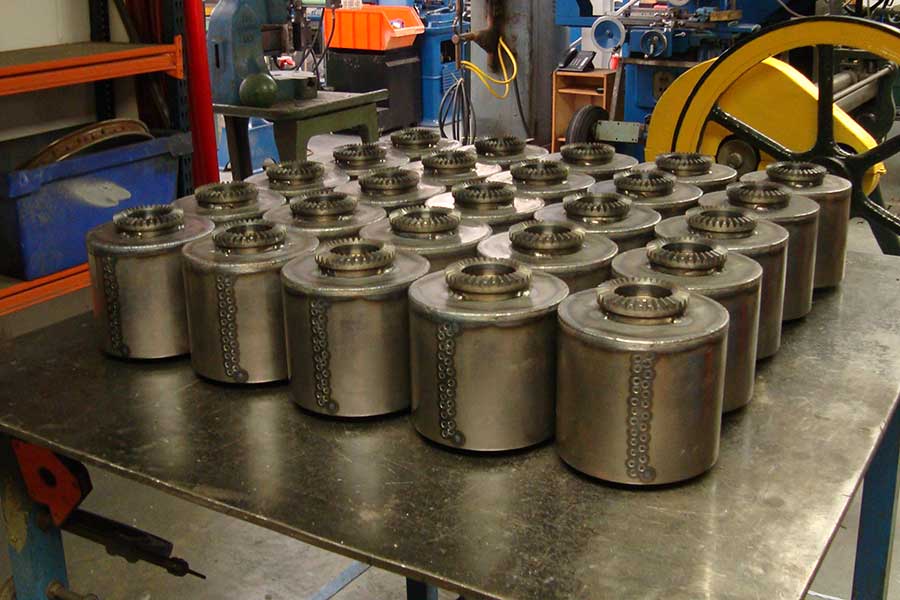
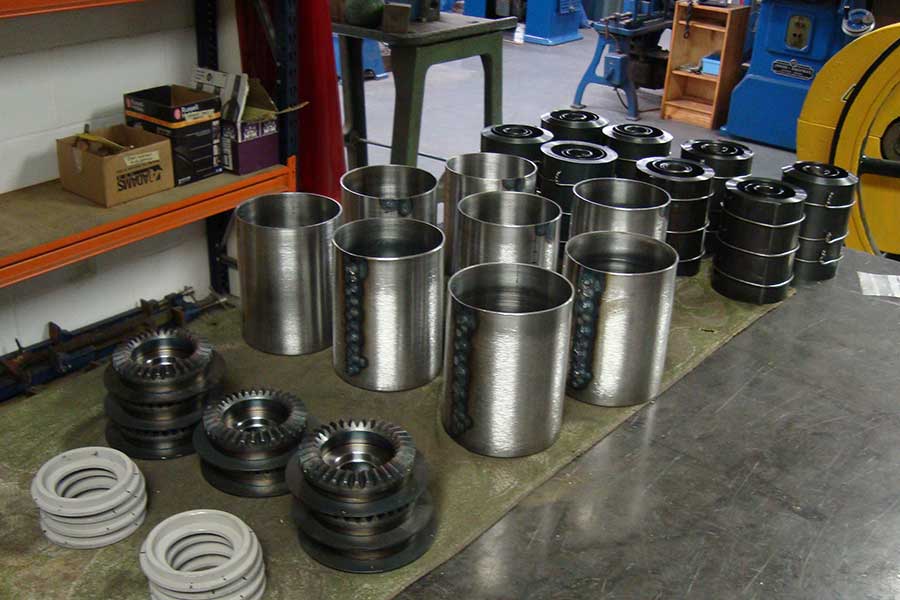
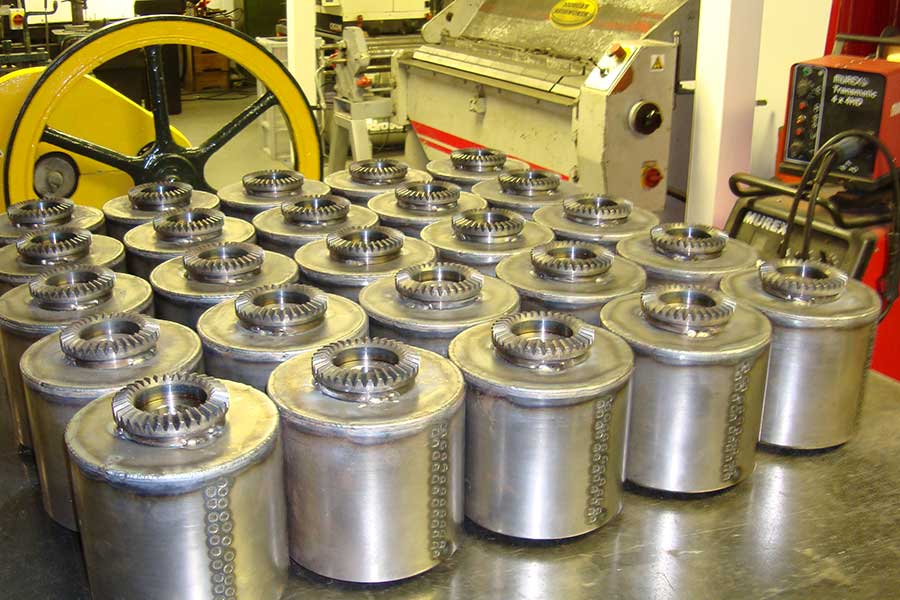
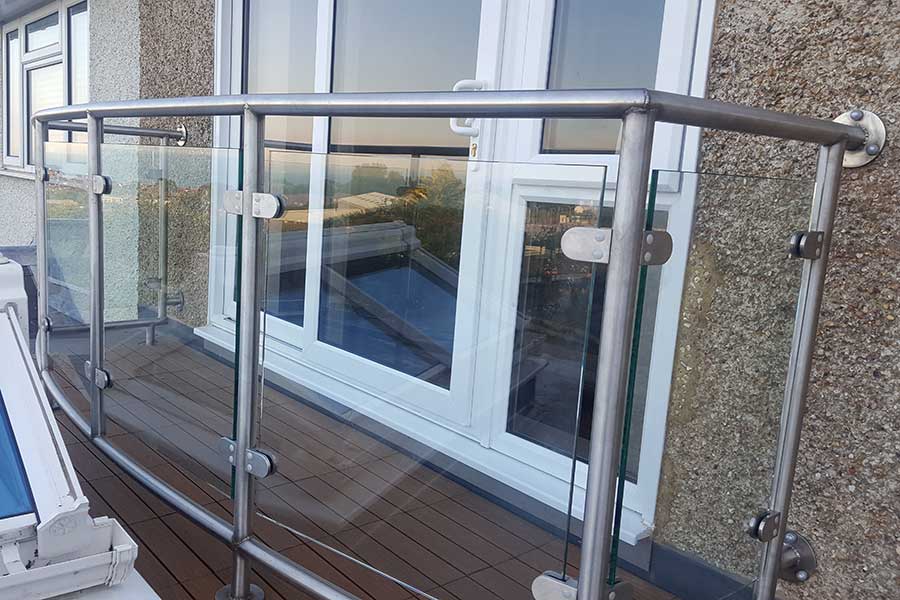
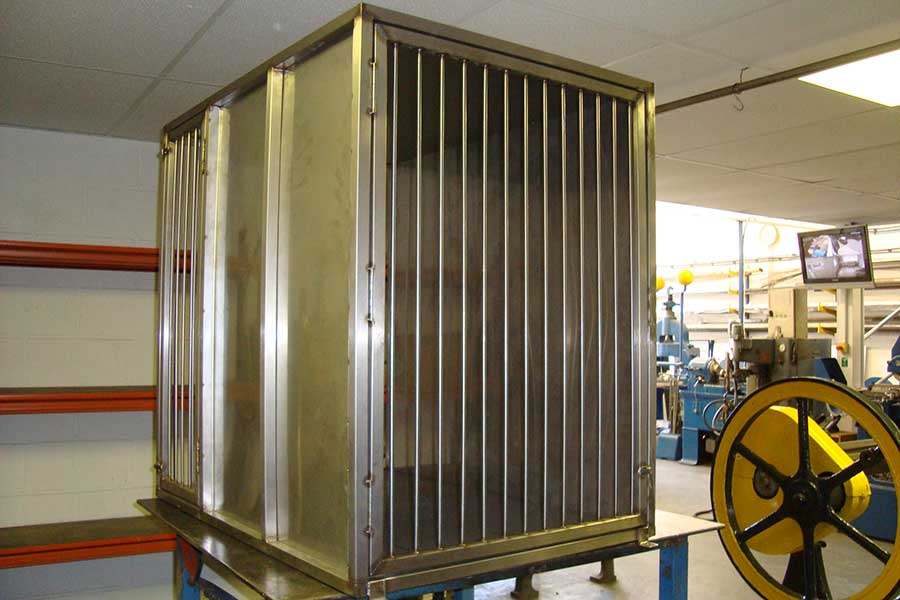
TIG Welding Stainless Steel
TIG welding is the gold standard for stainless steel, favoured for its surgical precision and the vibrant, colourful finishes it can produce.
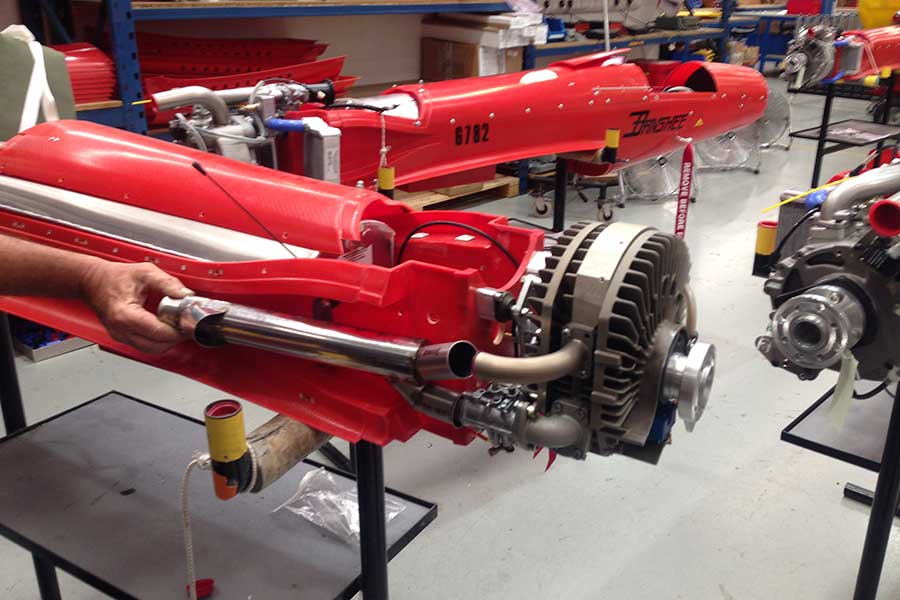
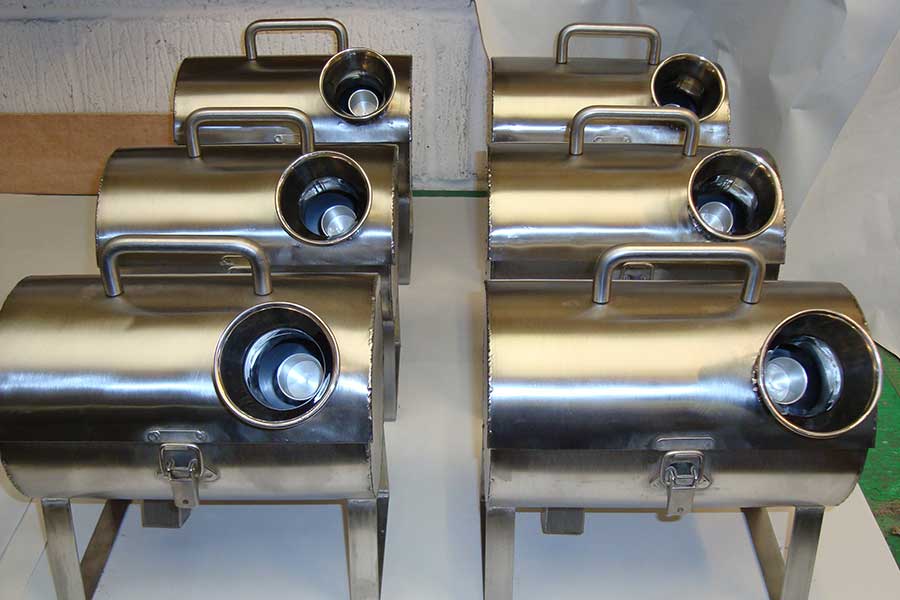
TIG Welding Mild Steel
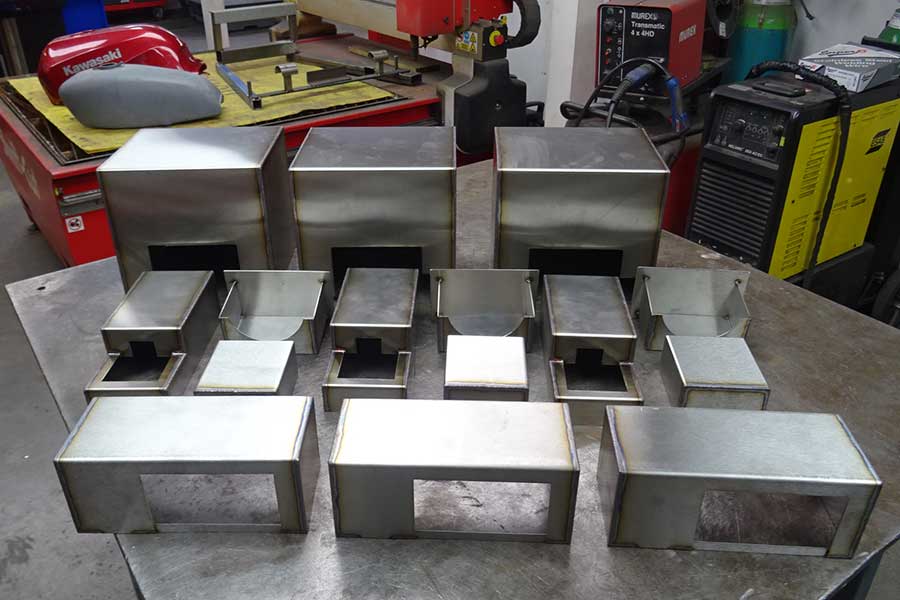
TIG welding is the premier choice for mild steel when you need high-strength joints and a clean, professional finish. It is the preferred method for custom fabrication and roll cages because it produces zero spatter and allows for total control over the weld bead.